Who I am & My Why
I’m Wendy—a Junction City native, military spouse, and mother of two. My journey into specialized swim instruction began in 2020 while stationed in California. After a tragic drowning loss in our Coast Guard community took the life of 2-year-old Everett Holbrook, I knew I couldn’t sit on the sidelines. I decided to honor his memory by turning my lifelong passion for swimming into a mission of drowning prevention.
With a background in Social Work and years of experience as a lifeguard and instructor, I "took the leap" to become a certified ISR (Infant Swimming Resource) instructor. Today, I’m proud to be one of the few instructors in Kansas offering these life-saving skills.
Whether we are building a foundation of Self-Rescue basics or refining technique in Stroke Development, my goal is the same: to give your child confidence and give you peace of mind.
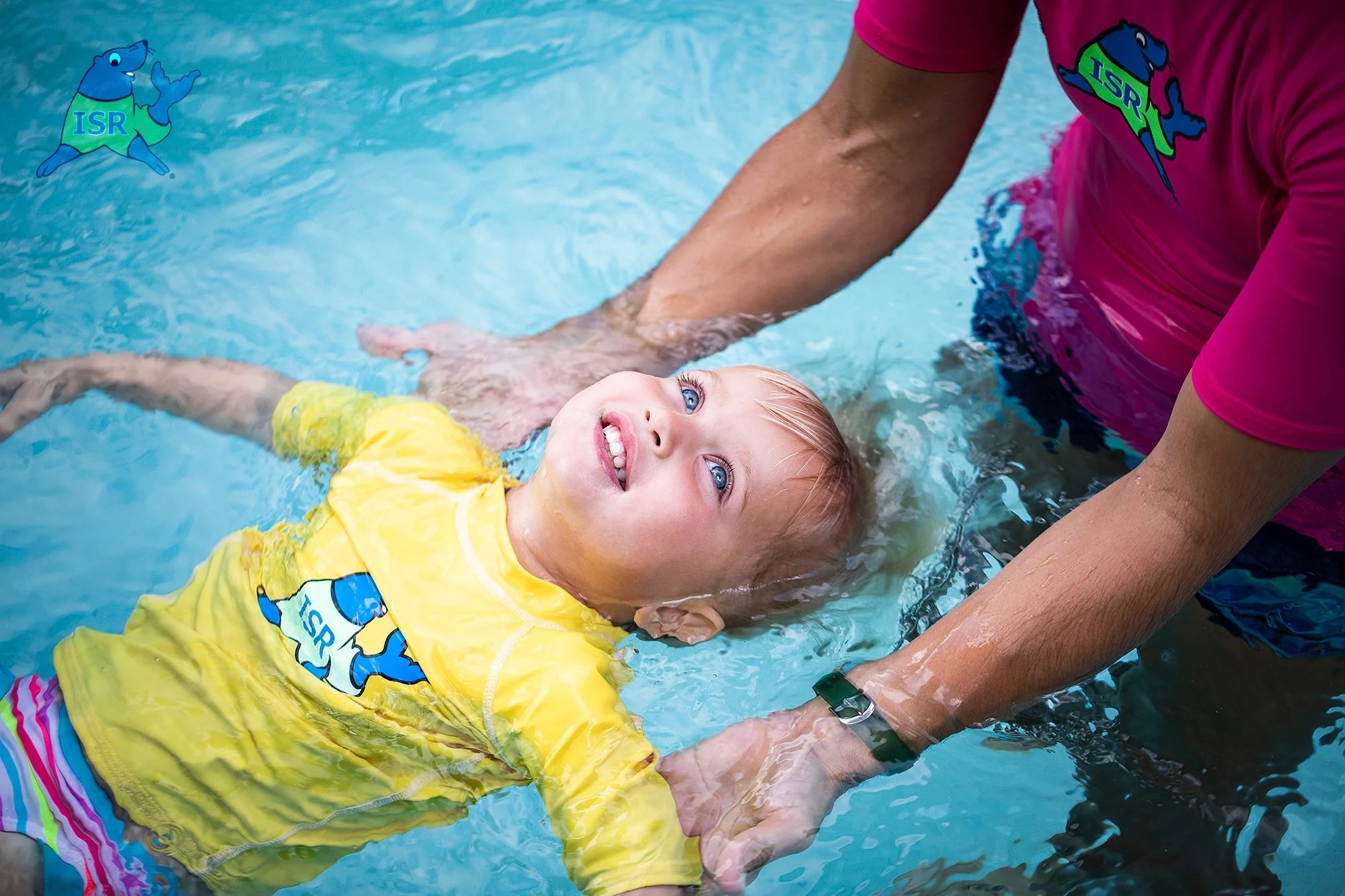
Certified Infant Swimming Resource Instructor teaching children 6 months to 6 years old lifesaving aquatic skills.
Certified WSI instructor teaching swim lessons to all ages, using the American Red Cross “Learn to Swim” program Curriculum.
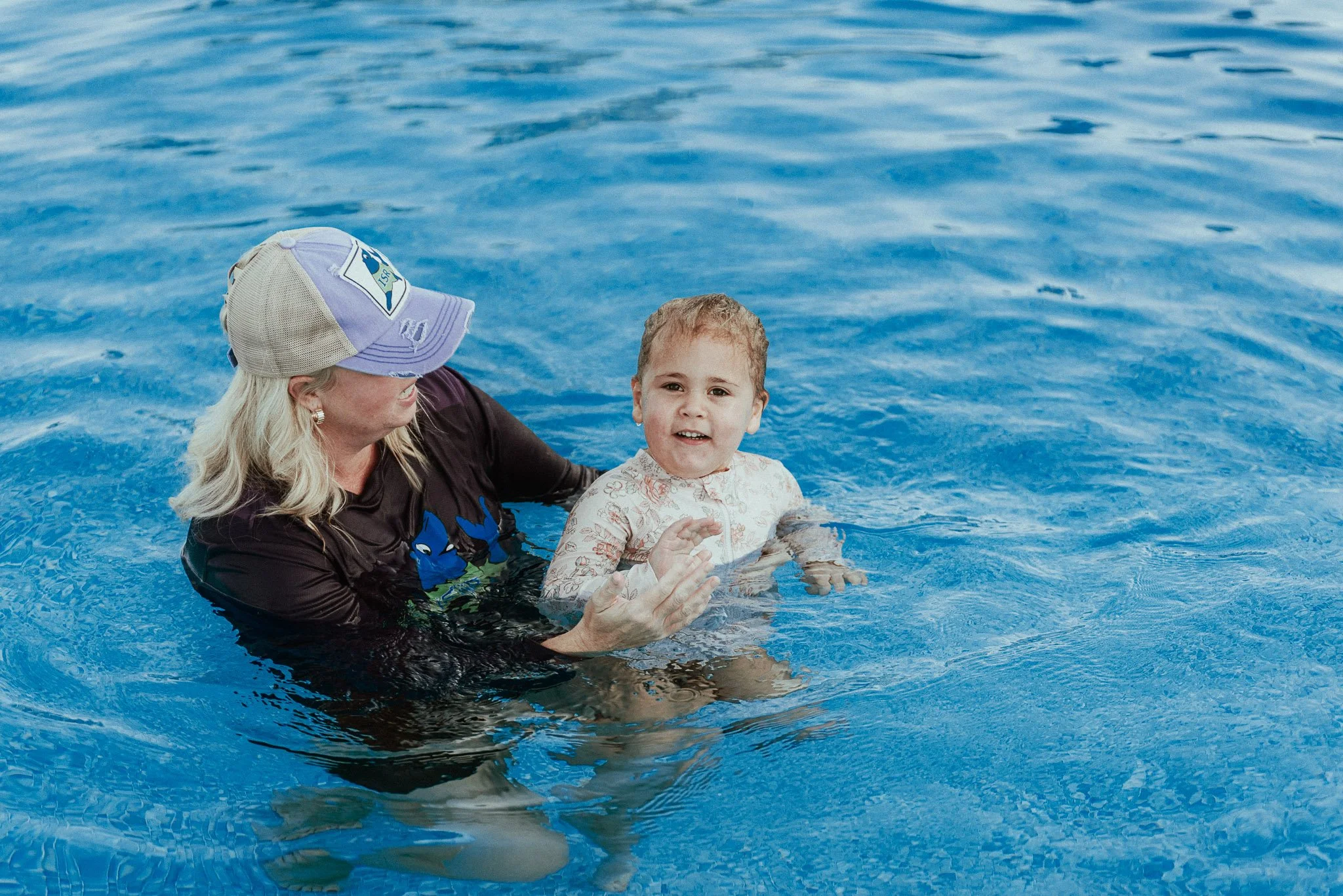

Honoring Everett everyday
What is Self-Rescue Swimming?
Think of Self-Rescue as more than just a swim lesson—it’s a survival layer. I teach your child how to stay calm, find their air, and save their own life if they ever find themselves in the water alone.
By using high-frequency, 10 min lessons, I tap into how children actually learn: through repetition, consistency and muscle memory.
What Your Child Will Master:
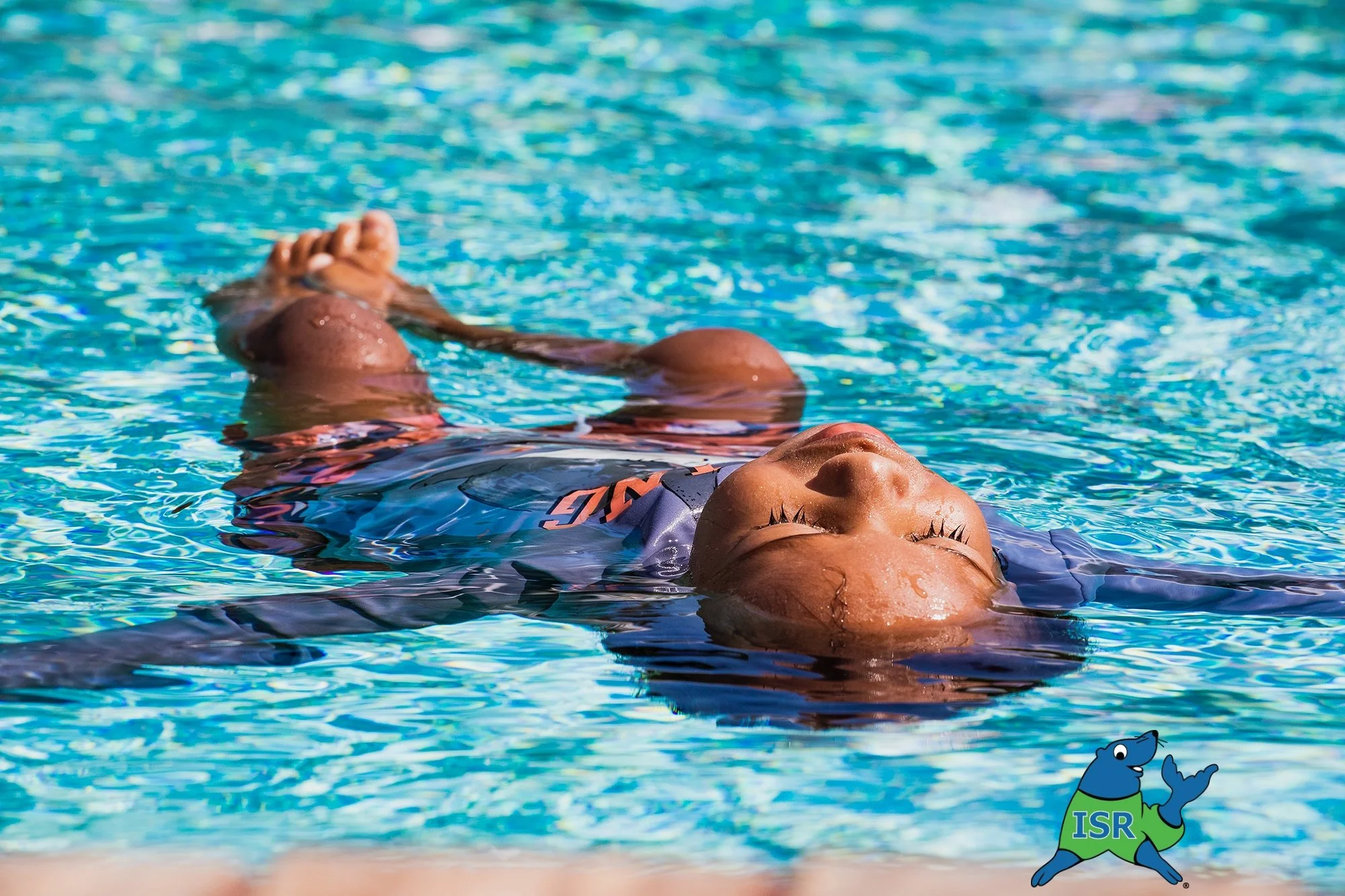
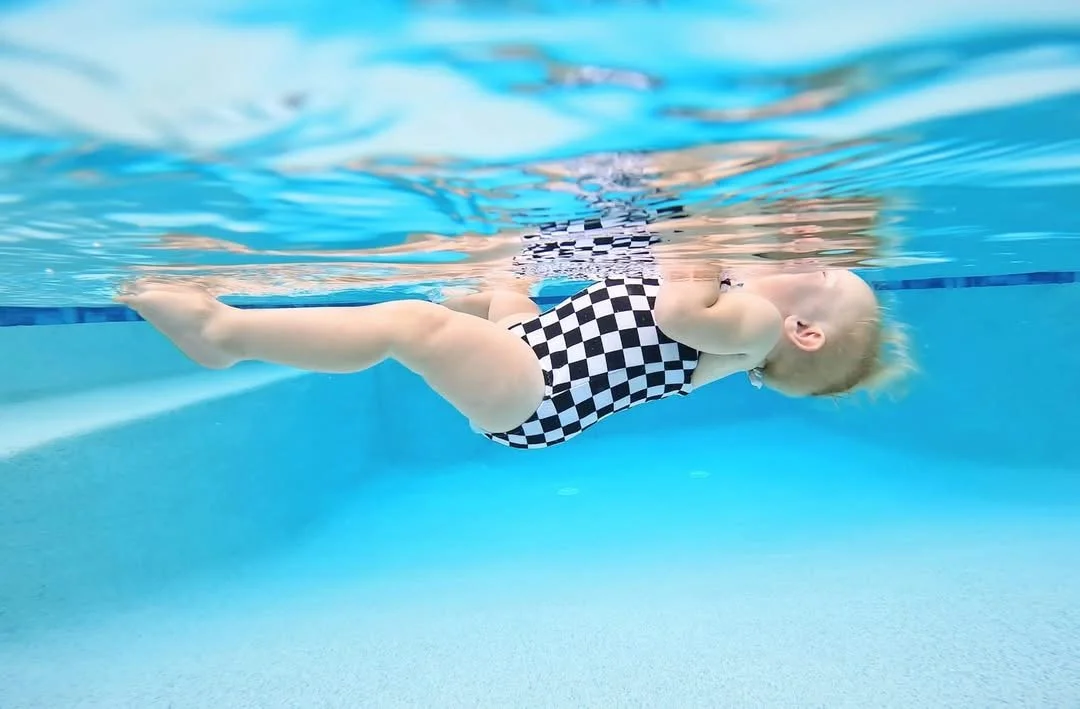
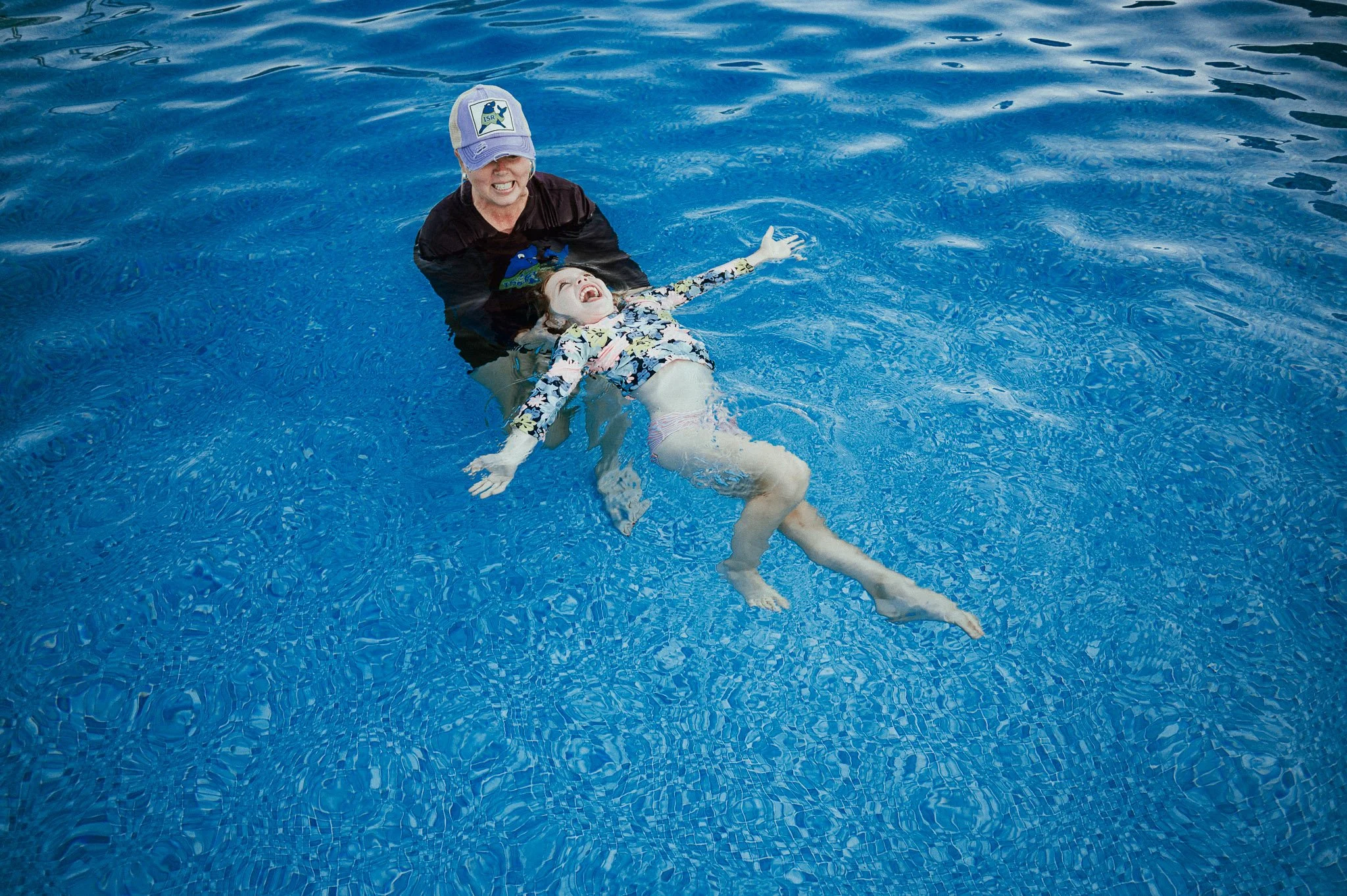
6 to 24 Months: They will learn to hold their breath underwater, roll onto their back, and maintain a calm, unassisted float until help arrives.
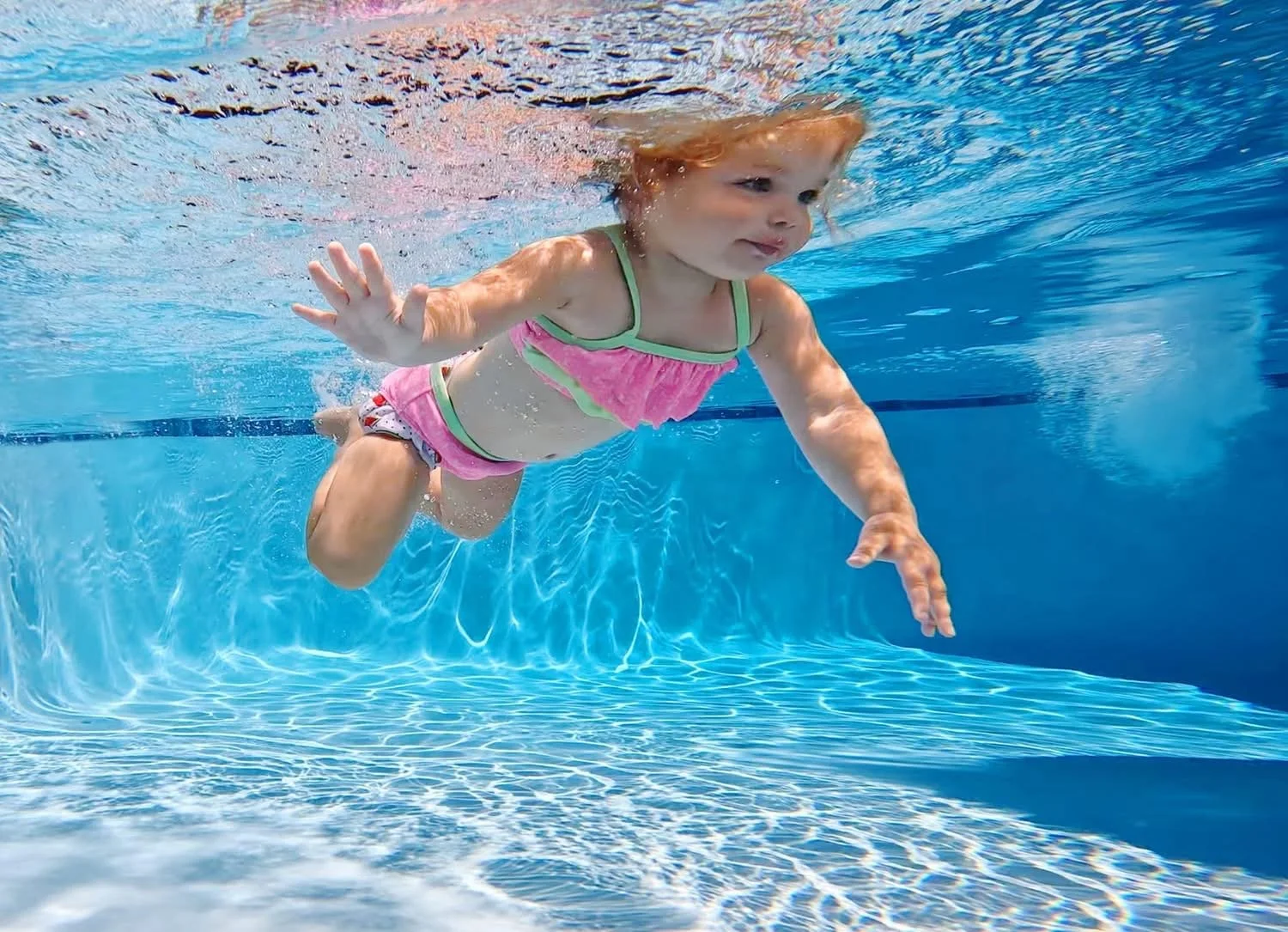
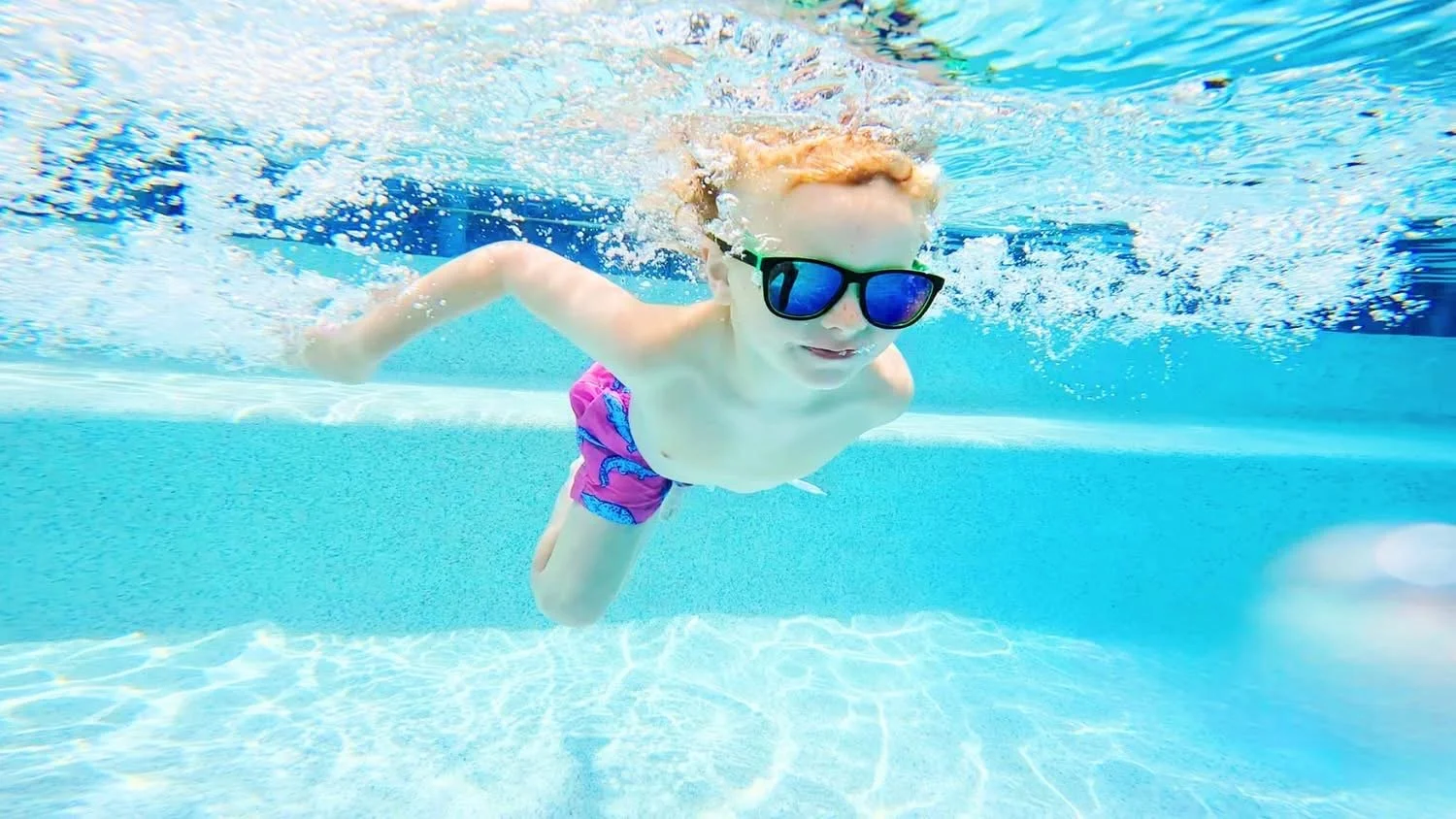
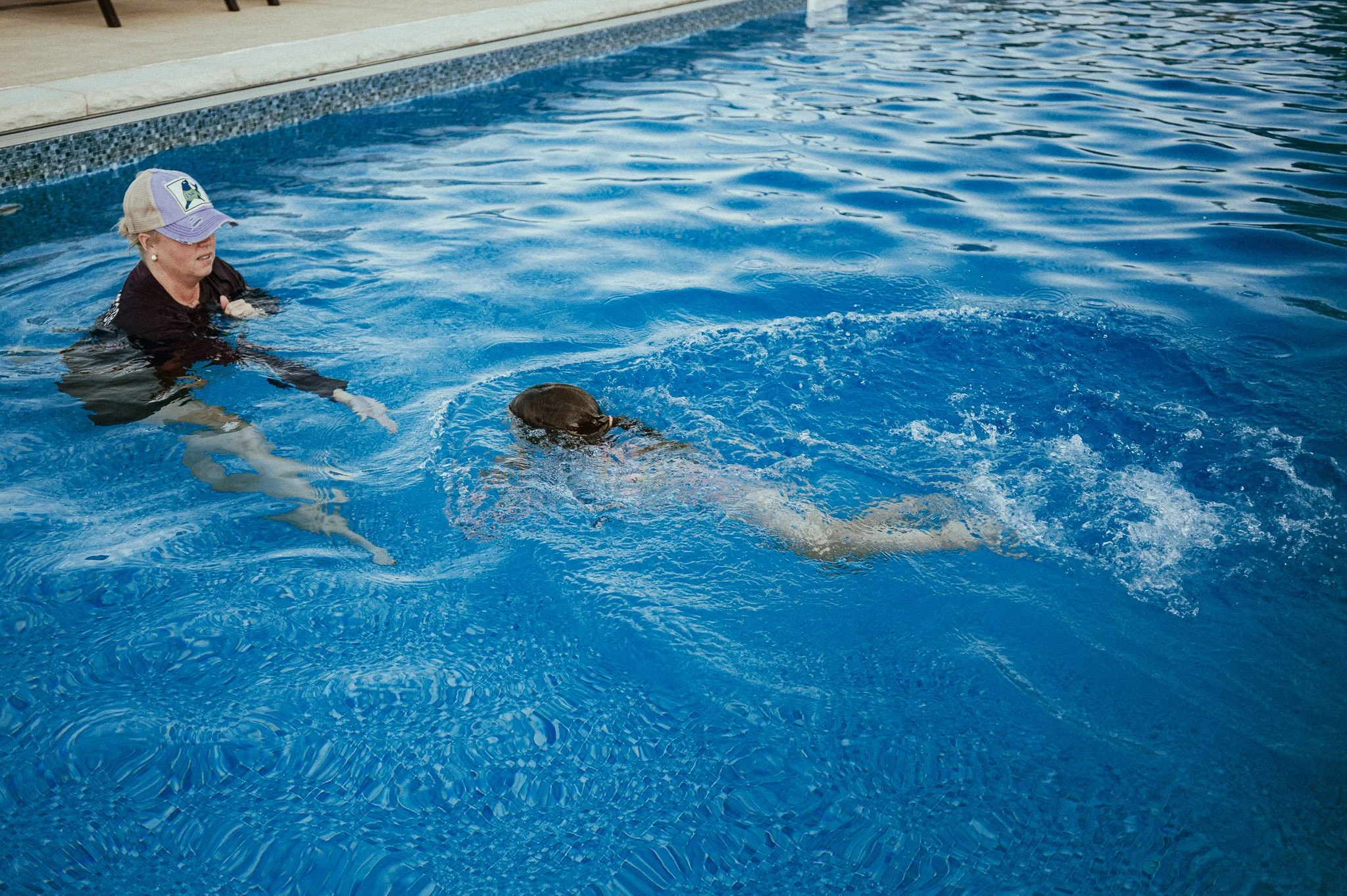
2 Years & Up: They will learn the "Swim-Float-Swim" sequence—swimming head-down, rolling to a back float to rest and breathe, and then flipping back over to reach the stairs or the shore.
The "Real World" Test: Since statistics show that 86% of all children who drown are fully clothed at the time, during the final week of lessons, while under the watchful eye of an Instructor, each of our students have the opportunity to practice their ISR Self-Rescue™ skills in both their summer and winter clothes.
Class Structure
We don’t do "fluff." These are intense, one-on-one private sessions designed to respect your child’s limits while maximizing their progress.
Frequency: 5 days a week (Consistency is key!)
Duration: Approximately 10 minutes per session.
Timeline: Most children are fully skilled and confident in about 6 to 8 weeks.
My goal is to transition your child from being "water-adjusted" to being water-safe, giving you the peace of mind you deserve. TOGETHER we can end childhood drowning! #foreverettandalways
There are THREE separate components to payment for lessons.
The first of which is a deposit of $100 is due when you enroll your child and is non-refundable. This saves your lesson time and pays for your child's first week of lessons.
The second component is the registration fee. ISR requires an additional one-time initial national registration fee of $105 that is due two weeks before your child’s lessons begin and is paid directly to ISR during your registration process, not your instructor and is non-refundable. This fee supports the medical registration team that ensures lessons are provided as safely and effectively as possible for each individual child. You will receive this link in a message after enrolling and prior to the start of your child's lessons.
Last is weekly tuition. $100 per week per student, due the Sunday prior to lessons each week.
What is American Red Cross Water Safety - Instruction
(Stroke Lessons)
Stroke School: From Survival to Skill
Stroke lessons are for our "graduates" or who have prior swim experience. This is where we transition from saving our lives to loving the water as a recreational activity.
If you aren't in a rush and are happy to see your child’s skills progress steadily over time in a safe, supportive environment, this is the perfect fit. I build directly onto that solid foundation they’ve already worked so hard to create.
What I Focus On
Refining the Foundation: Taking those survival/swim skills and progressing to the next step.
Confidence & Comfort: Ensuring your child feels totally at home in the water, whether they’re at a pool party or a beach.
Personalized Growth: Every swimmer is different. I provide tailored feedback and exercises every week to meet your child exactly where they are.
Class Structure & Flexibility
Since these students are already skilled, I move to a once to twice-a-week format to keep their muscles sharp and their confidence high.
The Standard: Once or twice a week for 20 minutes/$30
What Makes ISR (self rescue) different?
A child's ability to survive an aquatic accident depends on their ability to orient themselves in the water to access their air and continue breathing until help arrives. Floating=AIR AIR=increased chance of SURVIVAL!! Breath control is our #1 priority!
ISR instructors are highly skilled and complete training both in and out of the water. A Certified ISR Instructor is trained in child psychology and physiology before we’re ever in the water with students. Our private, one-on-one lesson structure gives us the ability to meet every child where they are at, both emotionally and developmentally. We are held to an extremely high standard for student safety, having many safety protocols in place. We also have a team of nurses who review registrations and ensure safety of lessons for all students.
We CAN change the statistic of drowning being the leading cause of death in children ages 1-4 in the US. It IS preventable. Let us show you and your little ones the ISR difference. Let us give your child the confidence and skills to be safe in and around water!
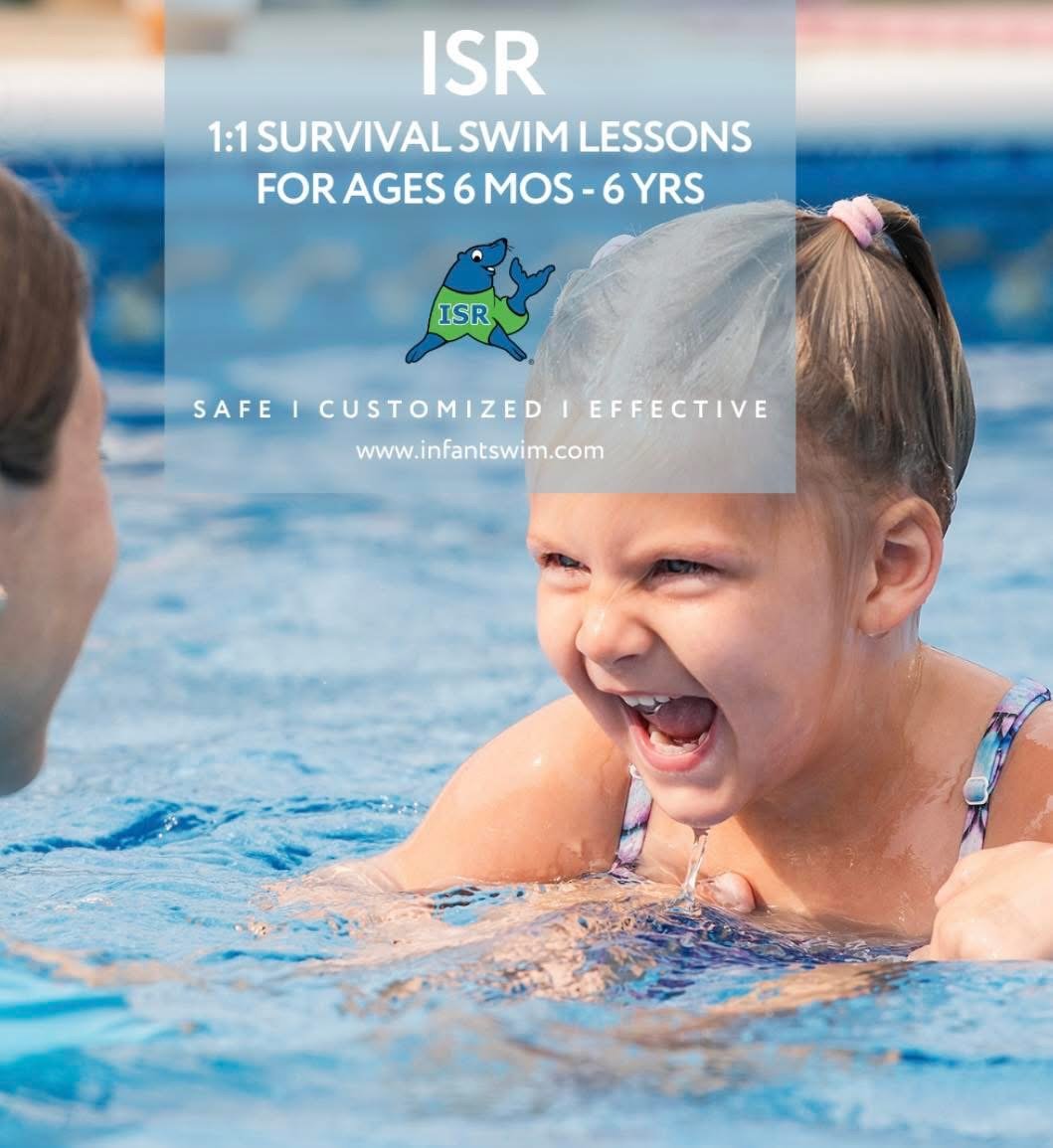
https://www.infantswim.com/
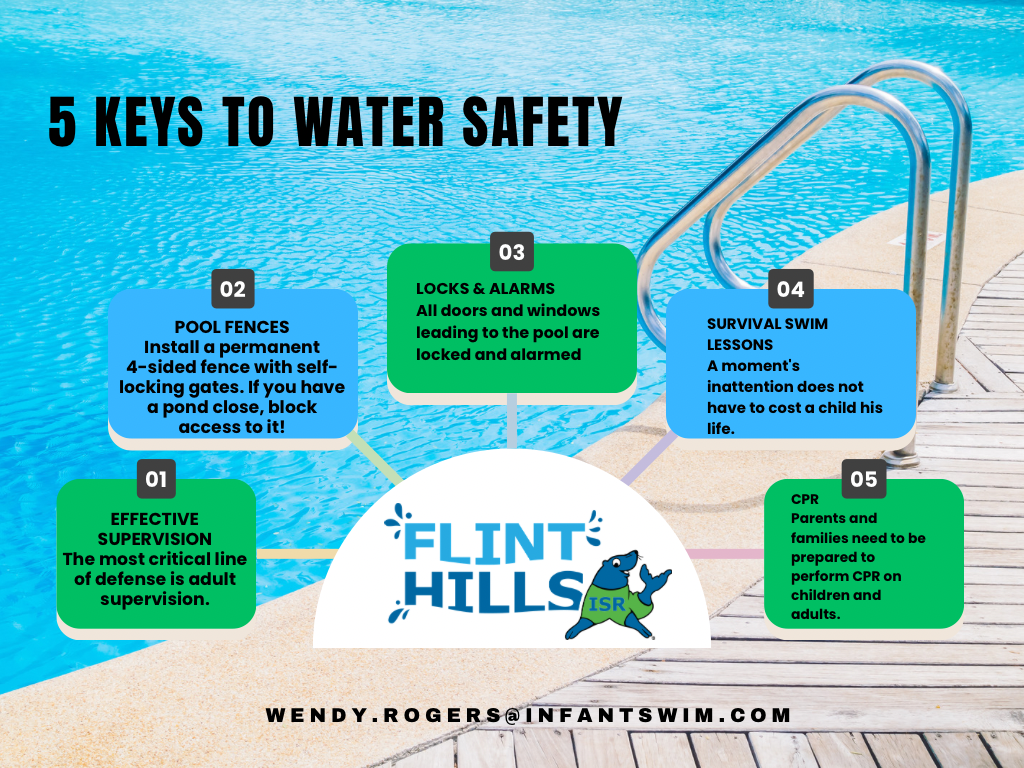
5 Keys to Water Safety
1. Effective Supervision
The most critical line of defense is adult supervision. This includes during both swim and non-swim times. A majority of water accidents and drownings happen when children are not supposed to be near the water. If your child is ever missing, look in ALL places with water FIRST.
2. Pool Fences
Install a permanent 4- sided fence with self locking gates. Ensure that the pool fence is at least 3-5 feet from the pool edge. a 4-sided pool fence can decrease the chances of a water accident by more than 80%, compared to a 3-sided fence. If you have a pond close, make sure to block easy access.
3. Locks & Alarms
Make sure all doors and windows, especially the ones leading to the pool area, are locked and alarmed. You can turn your home security's chime feature on, install stand-alone alarms, and use child safety locks.
4. Survival Swimming Lessons
A moment's inattention does not have to cost a child his/her life. Self-Rescue training is an added layer of protection, teaching your child water survival skills in a completely safe environment.
5. CPR
If an emergency happens, it is essential parents and families are prepared. Learn to perform CPR on children and adults and remember to update those skills regularly.
Contact me
Interested in working together? Fill out some info and I will be in touch shortly. I can’t wait to hear from you!